Darbhanga
📍 Bihar, India
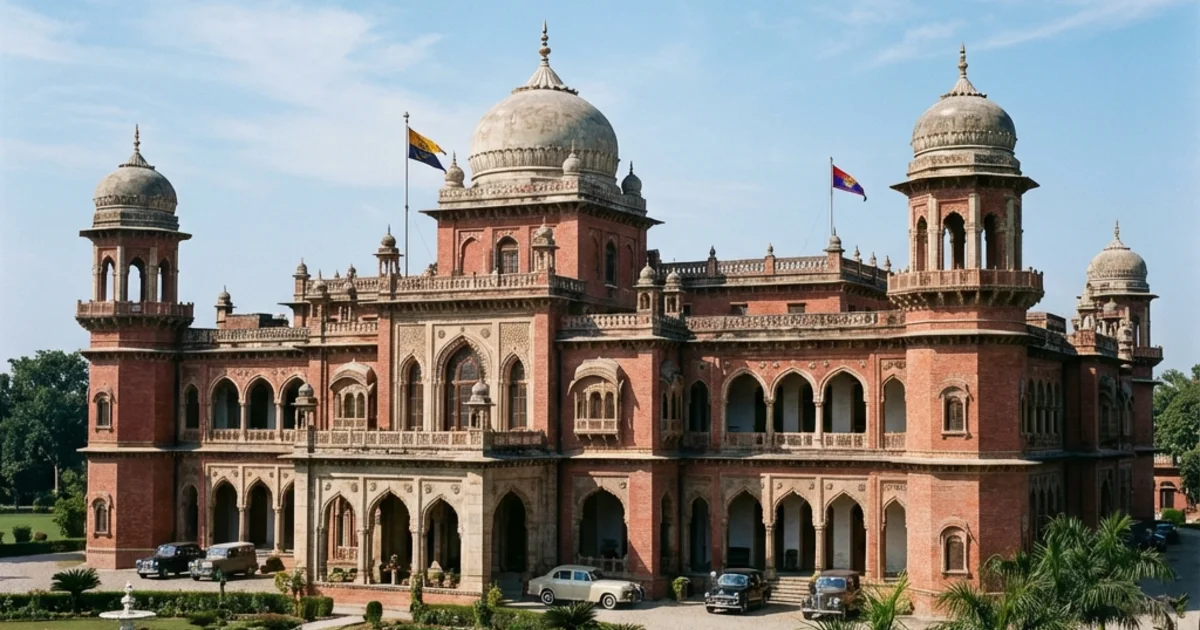
Darbhanga, often referred to as the 'Cultural Capital of Mithila', is a city that perfectly encapsulates the aristocratic grandeur and intellectual depth of the region's past. For centuries, it served as the royal seat of the Khandavala dynasty, popularly known as Raj Darbhanga, whose Maharajas were among the wealthiest and most philanthropic rulers in colonial India. The city's skyline is dominated by architectural marvels like the Nargauna Palace, a unique seismically-resistant palace built after the 1934 earthquake, and the imposing Raj Quila (Darbhanga Fort), whose red sandstone walls were inspired by the Red Fort in Delhi. Darbhanga’s contribution to education and music is monumental; the Maharajas established some of India's earliest modern schools and universities, and their court was a legendary center for the 'Darbhanga Gharana' of Dhrupad music, which remains one of the oldest and most prestigious schools of Indian classical music. The city is also a major center for spiritual life, home to the famous Shyama Mai Temple built on the royal cremation grounds, and various other shrines that reflect the region's unique blend of Vedic and Tantric traditions. Geographically, Darbhanga is characterized by its numerous historic ponds—many of which were excavated by the royal family to combat droughts—and its vibrant local markets famous for 'Makhana' (fox nuts) and 'Maachh' (fish), which are the hallmarks of Maithil cuisine. The city is also a significant rail and air hub (Darbhanga Airport), connecting the heart of Mithilanchal to the restland of India. Whether it is the soulful rendition of a Vidyapati song in a local 'baasa' or the sight of the majestic fort walls at sunset, Darbhanga offers a profound journey into a legacy where royalty, religion, and the arts have thrived together for generations. It remains a focal point for the preservation of Maithili literature and the Tirhuta script, ensuring that the intellectual torch of ancient Videha continues to burn bright in the modern era.
Contributed by