Simraungadh
📍 Nepal
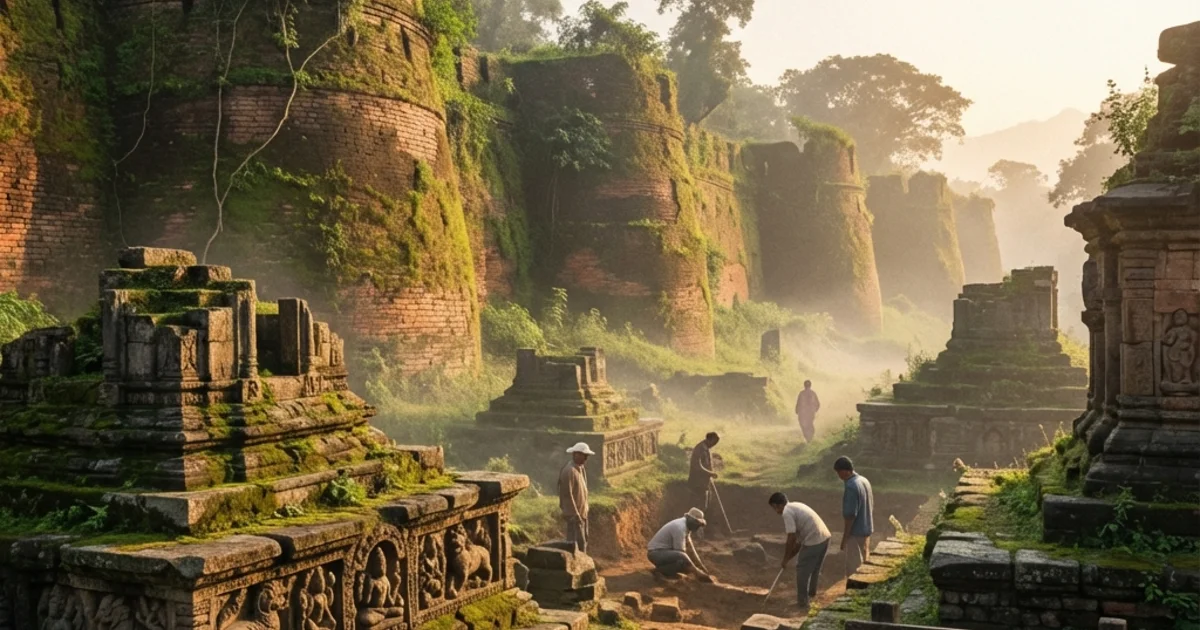
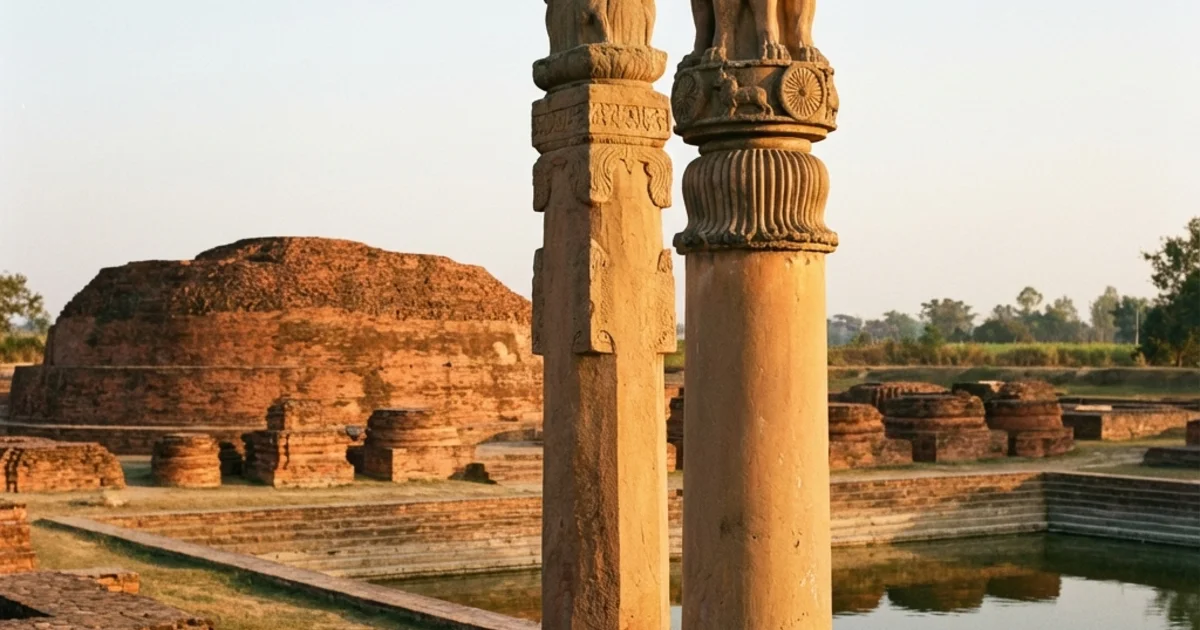
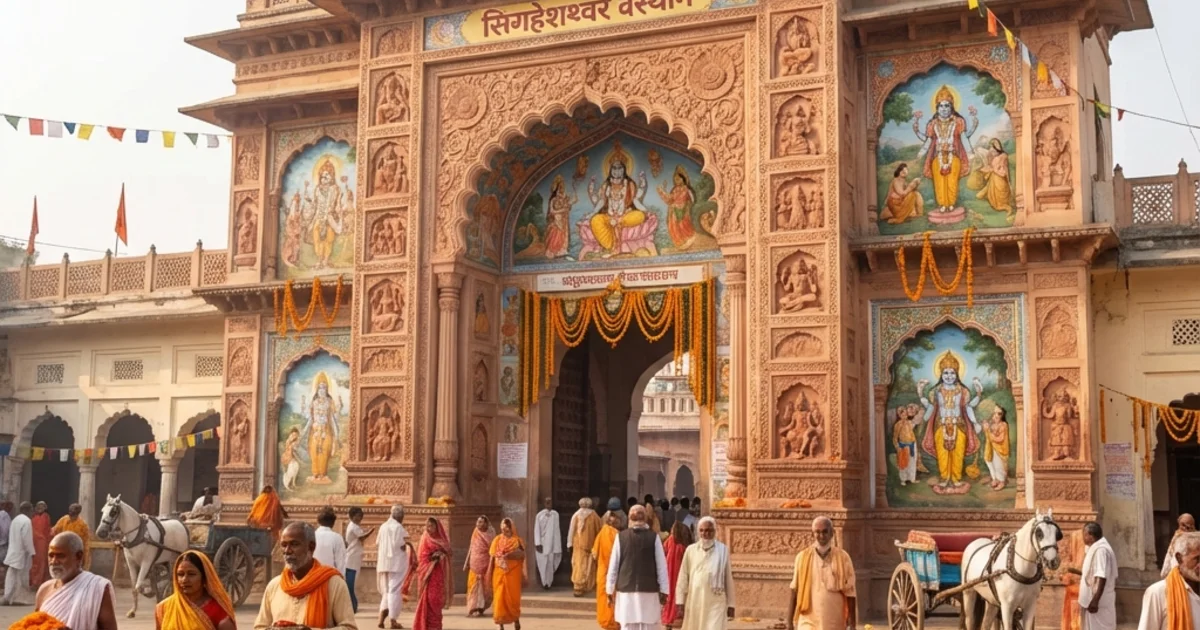
Simraungadh, located in the Bara district of modern-day Nepal, was once the formidable and glorious capital of the Karnata Dynasty, which ruled Mithila from the 11th to the 14th century. Often referred to as the 'Hampi of Mithila' due to its extensive archaeological ruins, this lost city represents the pinnacle of medieval Maithil architecture, fortification, and cultural refinement. Founded by King Nanyadeva in 1097 CE, Simraungadh was designed as a sophisticated fortress city surrounded by seven layers of deep moats and high mud walls, making it nearly impregnable to outside invasions for over two centuries. The city flourished as a major center of Vedic learning, music, and the arts, with its rulers being great patrons of scholars and poets. The ruins today, though scattered, include the foundation of massive temples, stone sculptures of exquisite craftsmanship (Pala-Sena style), and intricate brickwork that hints at the city's former splendor. The most iconic landmark is the shrine of Isra Devi, the family deity of the Karnata kings, which still attracts local devotees. Archaeological excavations have revealed advanced water management systems and urban planning that were far ahead of their time. The fall of Simraungadh in 1324 CE at the hands of Ghiyasuddin Tughlaq marked a tragic turning point in Mithila's history, leading to the migration of its elite and the eventual decline of the city into ruins and forest. For historians and Maithil nationalists, Simraungadh remains a powerful symbol of the region's sovereign past and its golden age of cultural achievement. It serves as a stark reminder of the rise and fall of great civilizations and continues to be a site of ongoing research as scholars attempt to reconstruct the full narrative of the Karnata legacy that once united the plains of Bihar and the foothills of Nepal under a single cultural banner.
Contributed by