Sitamarhi
📍 Bihar, India
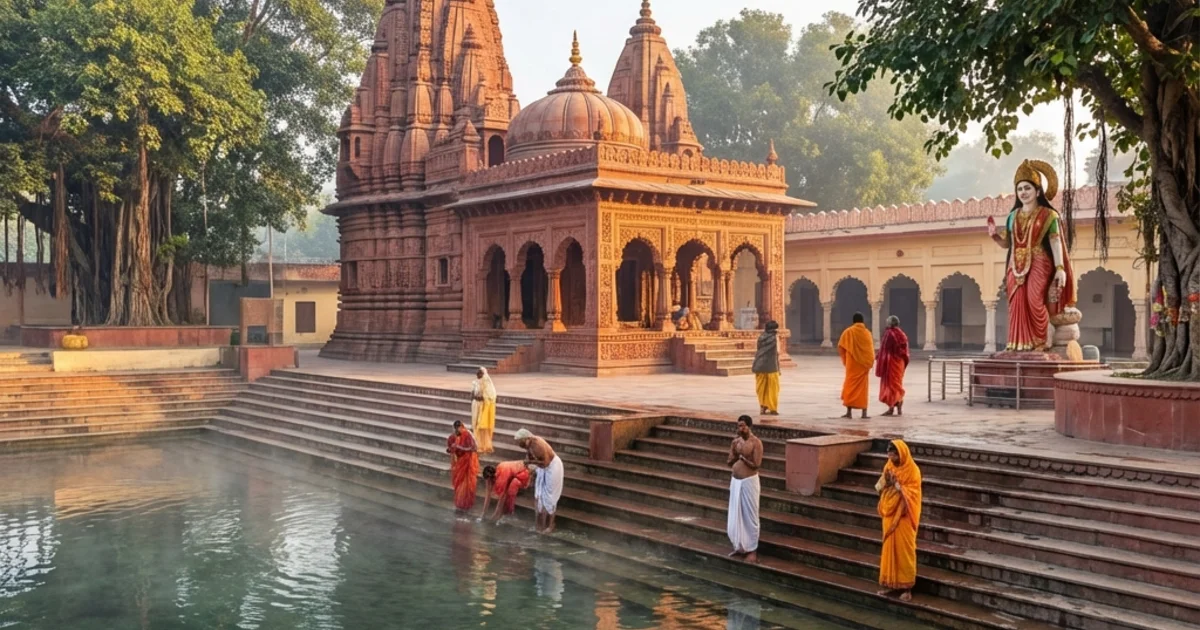
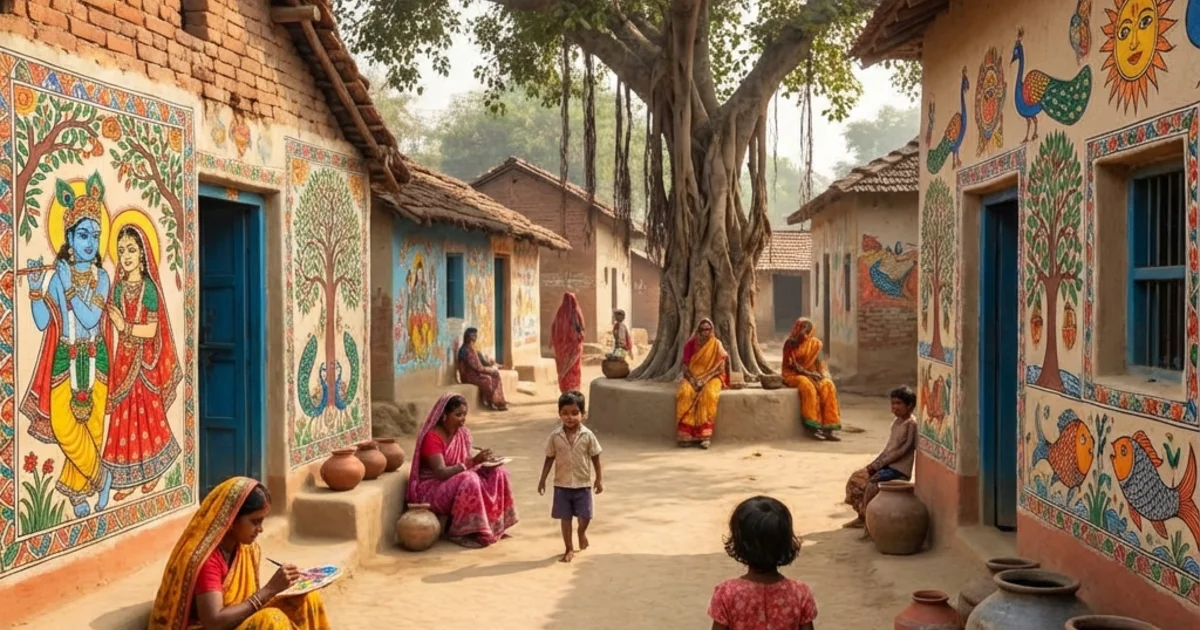
Sitamarhi, a sacred district in the northern part of Bihar, is revered by millions as the hallowed birthplace of Goddess Sita, the female protagonist of the epic Ramayana and the epitome of grace, resilience, and virtue in Indian culture. The primary focus of devotion in this historic town is the Punaura Dham, situated just a few kilometers from the main city center. According to ancient lore and local tradition, it was at this very spot that Raja Janak, the philosopher-king of Mithila, was performing a ritual ploughing of the earth during a catastrophic drought. As the blade of his plough (sita) struck a golden vessel buried in the soil, he discovered a celestial infant, whom he named Sita and raised as his own daughter. To commemorate this divine event, a magnificent temple stands today, surrounded by a sacred pond known as the Janaki Kund, where it is believed the infant Sita took her first bath. The spiritual significance of Sitamarhi permeates every corner of the district, with several other related sites such as the Haleshwar Sthan, believed to have been established by Raja Janak himself to worship Lord Shiva. The city transforms into a vibrant hub of religious activity during the festival of Ramanavami and Vivah Panchami, where the tales of Sita’s birth and her wedding to Lord Rama are retold through folk songs and theatrical performances like the Ramlila. For Maithils, Sitamarhi is not just a geographic location but a symbol of the region's contribution to the moral and spiritual fabric of India. The local culture is deeply intertwined with the identity of 'Janaki', influencing everything from the dialect of Maithili spoken here to the intricate motifs in local Madhubani paintings. Ongoing archaeological and development efforts, such as the Ramayana Circuit, aim to preserve and showcase Sitamarhi's rich heritage to the world, ensuring that the legacy of the 'Daughter of Mithila' continues to inspire future generations with her message of strength and devotion.
Contributed by