Vaishali
📍 Bihar, India
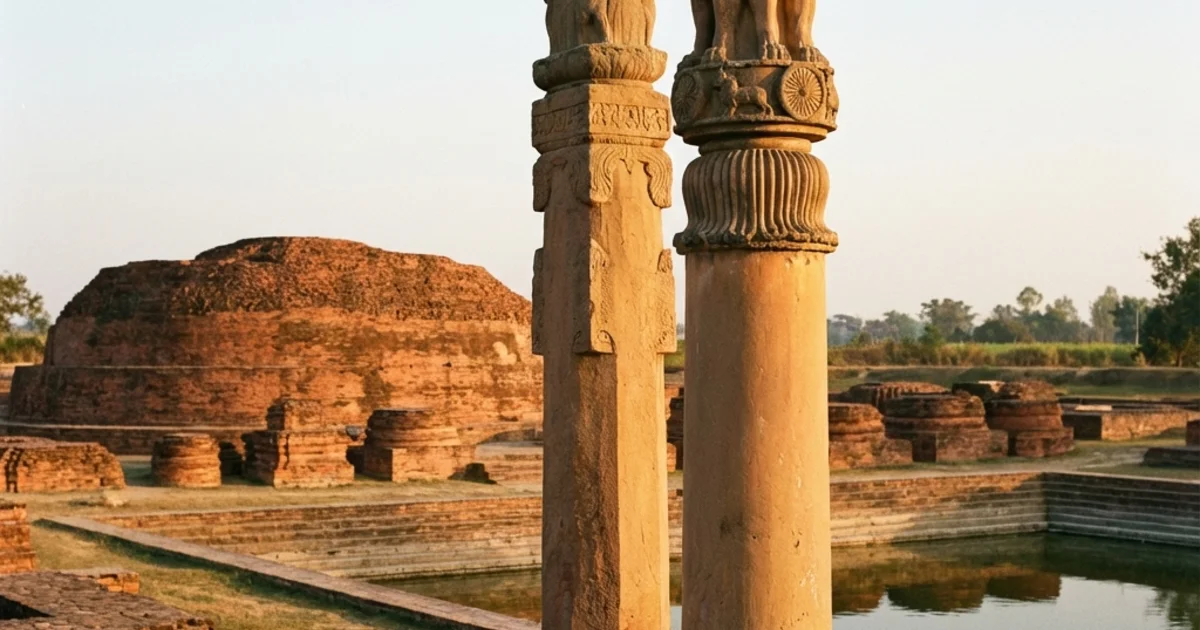
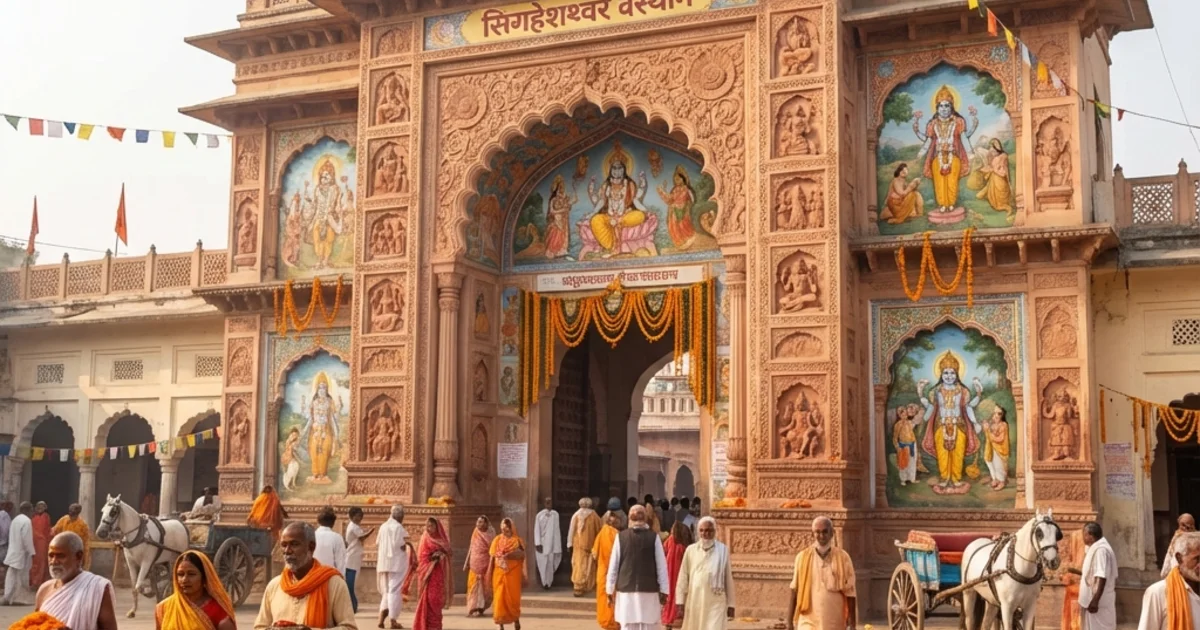
Vaishali, situated in the fertile Gangetic plains of modern-day Bihar, holds a monumental and pioneering status in the annals of global civilization, famously recognized as the cradle of the world's first republic. Around the 6th century BCE, long before the democratic traditions of Greece or Rome gained prominence, the Vajjika League, dominated by the vibrant and powerful Lichchavi clan, established a decentralized, collective form of governance. This sovereign state was administered by an elected assembly of representatives, marking a revolutionary shift from absolute monarchy to a system rooted in public discourse and shared decision-making. This political innovation transformed Vaishali into a flourishing metropolis, a beacon of intellectual freedom, trade, and cultural vitality that echoed across the Indian subcontinent. The spiritual heritage of Vaishali is as profound as its political legacy, serving as a hallowed ground for two of the world's major religions. For followers of Buddhism, the city is steeped in the presence of Gautama Buddha. He visited Vaishali multiple times throughout his life, finding in its republican ethos a fertile ground for his teachings on equality and enlightenment. It was in Vaishali that the Buddha delivered his last sermon, famously declaring his impending departure from the physical world (Mahaparinirvana) to his devoted disciples. The city also witnessed the historic Second Buddhist Council approximately a century after the Buddha's passing, an event that was instrumental in codifying monastic rules and addressing early schisms within the Sangha. The majestic Ashokan Pillar, crowned with a singular, noble lion capital carved from a monolithic block of polished sandstone, stands today as a silent sentinel of this glorious era. Adjacent to it, the remains of the Buddha Relic Stupa are believed to have originally enshrined a one-eighth portion of the Buddha's bodily remains, drawing pilgrims from across the globe for over two millennia. For the Jain community, Vaishali is revered as the sanctified birthplace of Vardhamana Mahavira, the 24th and final Tirthankara. Born in the nearby village of Kundagrama into a royal Lichchavi family, Mahavira's path to spiritual liberation began in the very air of this ancient republic. This intersection of early democratic governance and profound religious discovery has imbued Vaishali with a unique cosmic energy. The archaeological complex, featuring the 'Raja Vishal ka Garh'—the ancient assembly hall of the Vajjis—serves as a tangible link to a time when humanity first experimented with the power of the collective will. Today, Vaishali remains not just a site of ancient ruins, but a living testament to the enduring human quest for justice, liberty, and the ultimate truth, bridging the gap between the mundane world of politics and the eternal realm of the spirit.
Contributed by